
Why Kapa Haka is More Than Just a Performance
Ngaru Pou
Author
Kapa haka is often seen as a performance art — but for those who live it, it is something far deeper. It is identity, whakapapa, and a living connection to ancestors.
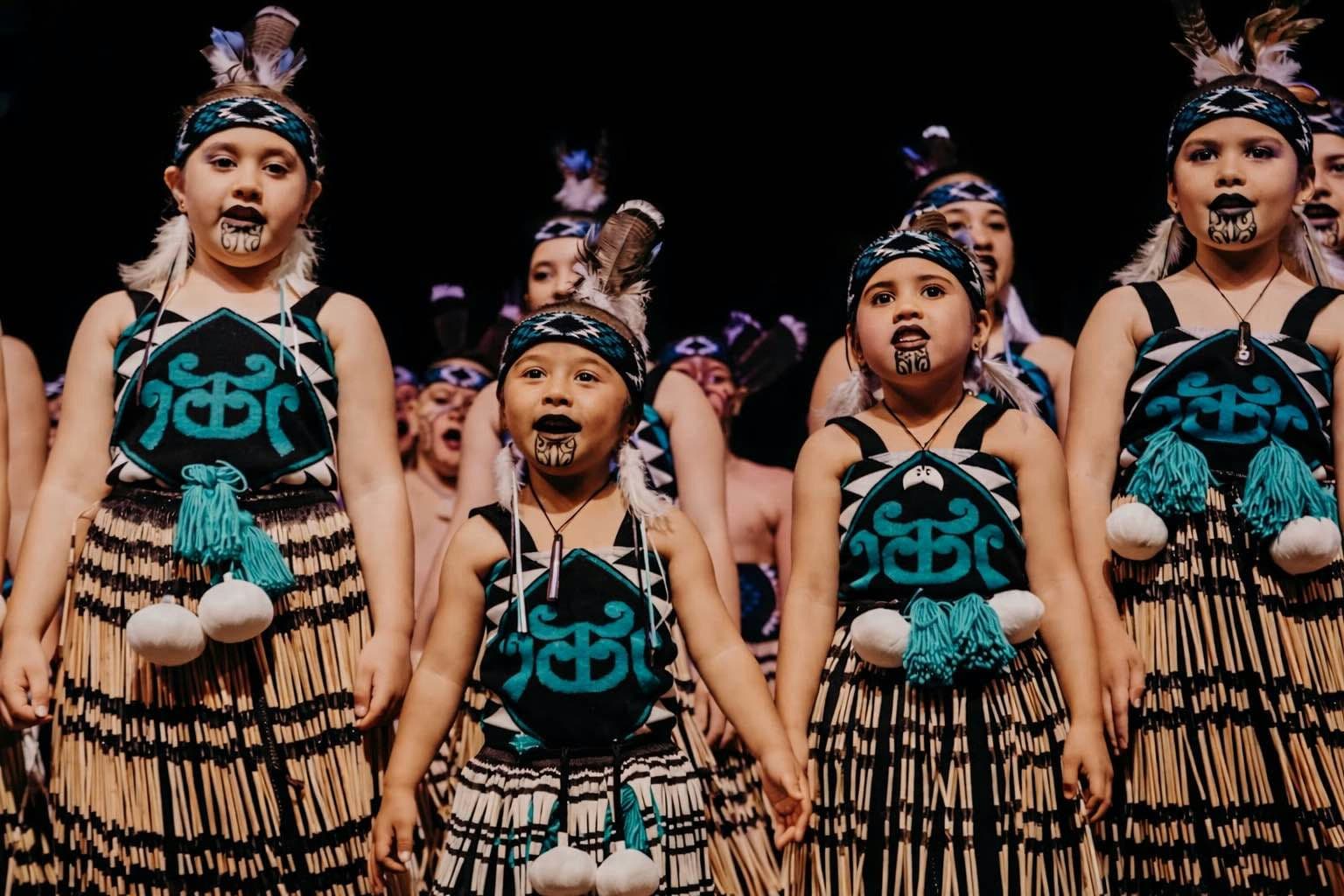
When most people first see kapa haka, they see the power of the haka, the grace of the poi, the unity of a group moving as one. It is captivating, emotional, and unmistakably Māori. But for our ākonga at Ngaru Pou, kapa haka is so much more than what happens on a stage.
A language passed down through generations
Kapa haka is a language in itself. Every movement, every word, every breath carries meaning passed down through generations. When a rangatahi learns a waiata, they are not just memorising lyrics — they are connecting to the stories of their tīpuna, understanding where they come from, and finding pride in who they are.
A doorway back to culture
For many of our students, especially those who have grown up disconnected from te ao Māori, kapa haka becomes a doorway. It is often the first time they hear their own language spoken with confidence. The first time they see adults who look like them standing tall and proud in their culture.
When tamariki know who they are, they are unstoppable.
Life skills, not just performance skills
At Ngaru Pou, we use kapa haka as a foundation for everything we teach. Discipline, teamwork, communication, resilience — these are not just performance skills. They are life skills. A student who learns to hold a stance through nerves, to support the person beside them, and to give everything in service of the group, carries those lessons into every part of their life.
Kapa haka is one of the most powerful tools we have to help them find that knowing.
Ngaru Pou